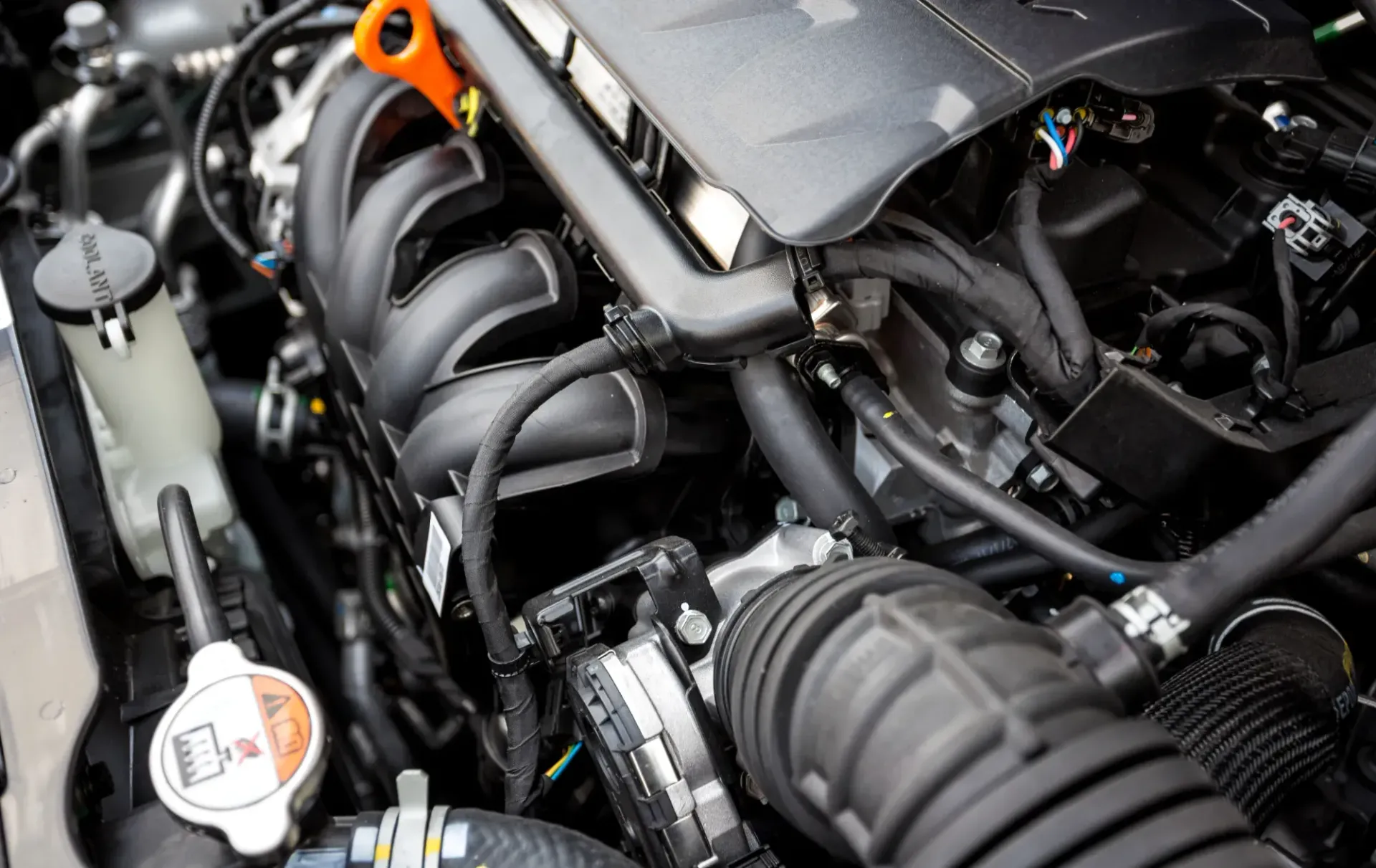
Common Problems with 4WD Electrical Systems in Nowra
4WD electrical problems can range from flat batteries and faulty wiring to charging issues, flickering lights and unreliable accessories. For drivers around Nowra, off-road tracks, beach driving and demanding work conditions can put extra strain on electrical components. Whether you’re exploring the South Coast, towing a caravan or relying on your 4WD for work, electrical faults can quickly interrupt your plans. At Buckland Auto Electrical, we help drivers identify and address these issues before they lead to more serious problems. If you’re experiencing electrical trouble, speaking with an auto electrician Nowra drivers can turn to for professional assistance is a practical first step.
Flat or Draining Batteries After a Trip
A flat battery is one of the most frustrating problems 4WD owners encounter, particularly after camping trips or extended off-road adventures. Unlike everyday vehicles, 4WDs often power additional equipment, including portable fridges, camping lights, communication devices and other 12V accessories. Running these without adequate battery capacity or charging can leave you unable to start your vehicle.
Common causes of battery drain include:
- Accessories drawing power while the engine is off
- Ageing batteries that struggle to hold a charge
- Loose or corroded battery terminals
- Faulty charging components
- Electrical accessories with excessive standby consumption
If you’re regularly dealing with a flat battery 4WD issue, replacing the battery might not solve the underlying problem. Professional testing can identify whether the fault involves the battery, charging system or an unexpected electrical drain.
Dual Battery Systems That Stop Charging Properly
Dual battery systems are popular among 4WD owners who need reliable power for camping equipment and accessories without draining their starting battery. However, dual battery problems can develop when charging components, wiring or connections stop functioning correctly.
You might notice your auxiliary battery isn’t charging, your fridge switches off unexpectedly or your battery monitor displays unusual readings. Possible causes include faulty DC-DC chargers, damaged cables, incorrect charging settings and poor electrical connections. Modern vehicles with smart alternators may also require compatible charging equipment to maintain an auxiliary battery effectively.
If your system isn’t performing as expected, our team can investigate the charging arrangement and identify potential faults. Correct diagnosis helps prevent unnecessary battery replacements and ongoing accessory failures.
Wiring Damage From Corrugations, Mud and Water Crossings
Off-road driving exposes electrical systems to conditions that everyday vehicles rarely encounter. Repeated vibrations from corrugated roads can loosen connectors, damage cable insulation and place strain on wiring harnesses. Mud and water crossings may also introduce moisture into electrical connections.
Common signs of 4WD wiring faults include intermittent accessory operation, blown fuses, unexpected warning lights and electrical components that stop working after rough driving. For example, a spotlight that works perfectly on sealed roads but stops operating after travelling along a corrugated track could have a loose connection or damaged wiring.
Professional 4WD auto electrical repairs can help locate these faults and determine whether wiring needs repairing, securing or replacing. Before your next adventure, our 4WD electrical checklist provides useful preparation advice.
Corrosion From Beach Driving and Coastal Conditions
Nowra’s proximity to beaches and coastal environments makes corrosion another concern for local 4WD owners. Salt-laden air, moisture and sand can gradually affect exposed electrical connections, particularly around battery terminals, trailer plugs and aftermarket accessories.
Corrosion increases electrical resistance and may interfere with power delivery. Over time, affected connections can cause unreliable operation, charging problems or complete accessory failure. Watch for green or white deposits around terminals, discoloured connectors and electrical components that work intermittently.
After beach driving, cleaning accessible exterior areas according to your vehicle manufacturer’s recommendations can help limit salt buildup. However, damaged connectors and corroded wiring should be professionally assessed rather than simply cleaned and reused.
Alternator and Charging Problems Under Heavy Accessory Load
Your alternator supplies electrical power while the engine runs and helps recharge the starting battery. Adding electrical equipment such as driving lights, refrigeration systems, compressors and charging devices increases demand on the vehicle’s electrical system. Although accessories don’t automatically cause alternator failure, excessive loads, poor wiring and existing charging faults can contribute to unreliable performance.
Signs of charging trouble may include:
- Battery warning lights appearing on the dashboard
- Headlights dimming when accessories operate
- Batteries repeatedly losing charge
- Electrical equipment switching off unexpectedly
- Unusual charging voltage readings
A charging system assessment can help determine whether the alternator, battery, wiring or connected equipment is responsible. It’s particularly worthwhile before a long trip when you’ll depend on multiple accessories away from convenient repair facilities.
Flickering Lights, Light Bars and Spotlights
Flickering headlights, light bars or spotlights often indicate unstable electrical connections, voltage problems or faulty components. For 4WD owners who regularly drive at night, unreliable lighting can create serious visibility concerns.
Common causes include loose earth connections, damaged wiring, faulty switches, failing relays and charging system problems. Aftermarket lighting installations can also develop faults if wiring isn’t adequately protected against vibration, moisture and heat.
If your driving lights flicker over bumps or stop operating intermittently, avoid assuming the light itself needs replacing. Our team can investigate the electrical supply, connections and associated components to identify the cause.
Warning Lights, Sensor Faults and Intermittent Electrical Issues
Modern 4WDs rely on electronic control systems and sensors to manage engine performance, braking, traction control and other important functions. Electrical faults can sometimes trigger dashboard warning lights even when the affected mechanical components appear to be operating normally. Damaged wiring, poor connections, low voltage and faulty sensors may all contribute to unexpected warnings.
Intermittent problems can be particularly difficult to diagnose because symptoms may disappear before the vehicle reaches a workshop. For example, a warning light might appear after driving through water but disappear once the vehicle dries.
Professional diagnostic equipment can help retrieve stored fault codes and guide further testing. However, fault codes alone don’t always identify the exact component requiring attention. A thorough electrical assessment helps distinguish between sensor faults, wiring problems and other potential causes.
Towing, Trailer and Caravan Electrical Faults
Towing places additional demands on a 4WD’s electrical system, particularly when powering trailer lighting, electric brake controllers and caravan accessories. Faulty trailer plugs, damaged wiring and poor earth connections can cause lighting failures, unreliable brake controller operation or intermittent power supply.
Common towing-related electrical problems include brake lights that don’t illuminate, indicators behaving unpredictably and caravan batteries failing to charge while travelling. Exposure to moisture, dirt and road vibrations can gradually affect trailer connections, especially when vehicles frequently travel off-road.
Before towing, check that all required lights and electrical connections operate correctly. If faults persist, professional testing can help determine whether the issue originates in the 4WD, trailer wiring or connected equipment.
When to Call a Professional Auto Electrician
Some electrical problems are immediately obvious, while others develop gradually and become more difficult to identify. If your battery repeatedly goes flat, accessories operate intermittently or dashboard warning lights keep returning, arranging an inspection is worthwhile.
Searching for an auto electrician near me can help you find professional assistance rather than relying on guesswork or repeatedly replacing components. You should also seek help if you notice damaged wiring, burning smells, unusually hot electrical connections or charging problems.
Depending on the fault, a professional assessment may involve battery testing, charging system checks, wiring inspections and electronic diagnostics. For drivers who cannot easily bring their vehicle to a workshop, a mobile auto electrician may also be a suitable option, depending on the required work and service availability.
Keep Your 4WD Ready for the Road
Reliable electrical systems are essential whether you’re heading off-road, travelling with family or using your 4WD for work. Recognising early warning signs and addressing electrical faults promptly can help reduce unexpected breakdowns and keep important accessories operating correctly.
At Buckland Auto Electrical, we understand how frustrating electrical problems can be. If you’re experiencing battery trouble, faulty accessories, wiring issues or charging concerns, contact our team to arrange an electrical assessment and discuss the repairs your 4WD may need.
Frequently Asked Questions
Can aftermarket accessories cause electrical problems in a 4WD?
Yes. Incorrectly installed accessories, overloaded circuits and unsuitable wiring can contribute to electrical faults. Accessories should be appropriately rated, protected and connected to suit the vehicle’s electrical system.
Should I disconnect my 4WD battery before working on electrical accessories?
Battery disconnection may be necessary for certain electrical tasks, but procedures vary between vehicles. Disconnecting power incorrectly can affect electronic systems, so follow manufacturer guidance or seek professional assistance.
Why does my 4WD battery drain even when nothing is switched on?
Some electrical components continue drawing small amounts of power when the vehicle is parked. Excessive standby consumption, faulty modules or aftermarket accessories can create a parasitic drain that gradually discharges the battery.
Can water crossings damage a 4WD’s electrical system?
Yes. Water can enter connectors, sensors and electrical components, potentially causing corrosion, short circuits or intermittent faults. The risk depends on water depth, component protection and the vehicle’s condition.
Is it safe to keep driving with an electrical warning light?
It depends on the warning and its cause. Some indicate minor faults, while others signal charging, braking or engine management problems. If a critical warning appears or the vehicle behaves abnormally, stop safely and seek professional advice.