How To Tell If Your Alternator Is Failing In Wollongong
You turn the key and your engine starts, but something feels off. The headlights look dimmer than usual. A warning light flickers on the dash. A few days later, the car struggles to start altogether.
Many drivers assume a flat battery is to blame, yet the underlying issue can often be the alternator. This component plays a central role in your vehicle’s electrical system, and when it begins to fail, the symptoms can be subtle at first. Recognising the early signs can help you address electrical problems before they escalate into breakdowns or costly repairs.
Below, we explore how alternator issues typically present, what they mean for your vehicle, and when it may be time to contact an auto electrician Wollongong vehicle owners can rely on for thorough electrical diagnosis.
The Alternator’s Role in Your Vehicle
Your alternator works alongside the battery to supply power to your vehicle’s electrical systems. While the battery is responsible for starting the engine, the alternator keeps it running by generating electricity and recharging the battery as you drive.
If the alternator begins to malfunction, you may notice:
- Electrical accessories behaving unpredictably
- The battery repeatedly going flat
- Warning lights appearing on the dashboard
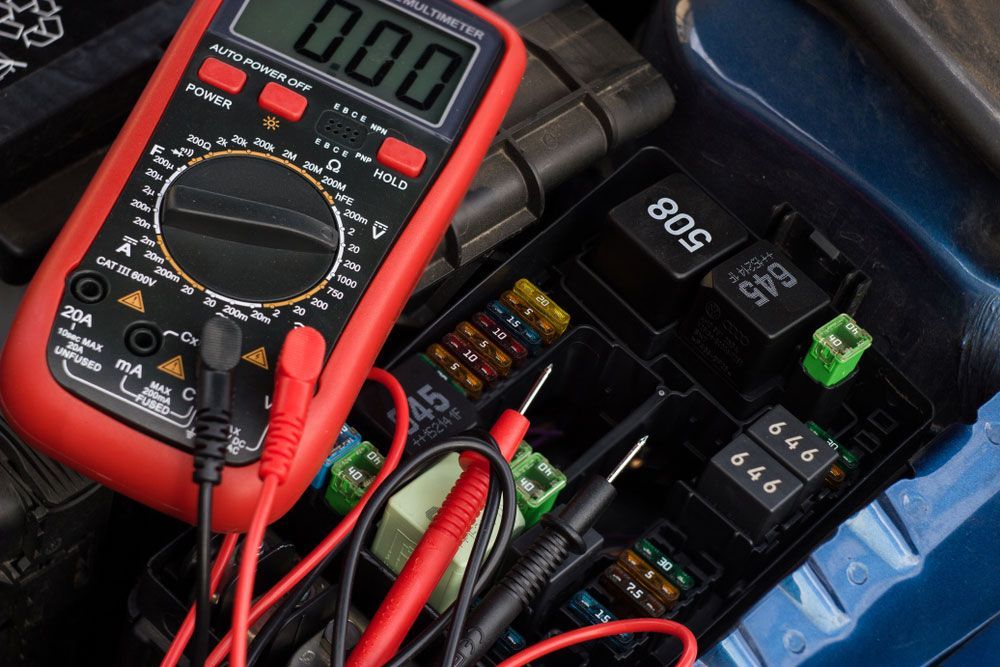
Because modern vehicles rely heavily on electronics, from engine management systems to safety features, alternator problems can affect far more than just your headlights. An auto electrician can assess charging system performance, check voltage output and inspect related components such as belts and wiring to determine whether the alternator is operating within manufacturer specifications.
Dim or Flickering Lights
One of the earliest and most noticeable signs of alternator trouble is inconsistent lighting. Headlights, interior lights or dashboard illumination may appear dimmer than usual, especially when idling.
You might observe:
- Headlights that brighten when accelerating & dim when slowing
- Flickering interior lights at night
- Dashboard displays fading or fluctuating
These symptoms can indicate unstable voltage output. While a battery issue can cause similar signs, a charging system test performed by an ‘auto electrician near me’ can help distinguish between a weak battery and a failing alternator.
Ignoring fluctuating lights may allow the issue to progress, potentially affecting other electrical systems over time.
Dashboard Warning Lights
Most modern vehicles are equipped with a battery or charging system warning light. Despite the battery symbol, this light does not always mean the battery itself is faulty. It often signals a problem with the alternator or charging circuit.
Common dashboard indicators include:
- A battery-shaped warning light
- A ‘check engine’ light triggered by voltage irregularities
- Messages related to electrical system faults
Because these warning lights can be triggered by multiple factors, diagnostic testing is important. Auto electrical diagnostics involve scanning the vehicle’s computer for fault codes and measuring alternator output under different load conditions. This approach helps identify whether the issue lies with the alternator, voltage regulator, wiring or another component.
Difficulty Starting the Engine
A vehicle that struggles to start may initially seem like it simply needs a new battery. However, if the battery has recently been replaced and the problem persists, the alternator may not be charging it correctly.
Signs to watch for include:
- Slow cranking when turning the key
- Clicking sounds before the engine starts
- Repeated need for jump-starts
When the alternator fails to recharge the battery during driving, the battery gradually loses capacity. Eventually, it may not have enough stored energy to start the engine at all. An inspection of the charging system, battery health and starter motor can help determine the source of the problem.
Unusual Noises Under the Bonnet
Alternator issues are not always silent. In some cases, mechanical wear inside the unit or problems with the drive belt can produce noticeable sounds.
Drivers may hear:
- A grinding noise caused by worn bearings
- A whining sound that changes with engine speed
- Squealing linked to a loose or worn serpentine belt
These sounds do not automatically confirm alternator failure, but they warrant attention. A visual inspection of the belt and pulley system, along with testing of internal components, can help clarify whether the alternator requires repair or replacement.
Electrical Accessories Malfunctioning
As voltage becomes unstable, various electrical features in the vehicle may behave unpredictably. Modern cars rely on consistent power delivery to operate everything from infotainment systems to safety sensors.
Potential signs include:
- Power windows moving slowly
- Air conditioning fans losing strength
- Radio or infotainment systems cutting out
- Intermittent issues with electric seats or mirrors
When multiple accessories begin to malfunction simultaneously, it often points to a broader electrical supply issue. An auto electrician in Wollongong can carry out system-wide testing to determine whether the alternator is supplying sufficient current under load.
Burning Smell or Electrical Odour
In some situations, alternator failure can produce a noticeable smell. Overheating components, worn insulation or excessive friction within the unit may generate an unusual odour.
Drivers might notice:
- A burning rubber smell from a slipping belt
- A sharp electrical scent inside or near the engine bay
- Smoke in severe cases
If any burning smell is detected, it is advisable to stop driving as soon as it is safe to do so and seek inspection. Continuing to drive with overheating electrical components can increase the risk of further damage.
Battery Repeatedly Going Flat
A flat battery every few months can be frustrating. While batteries do wear out over time, repeated failures often signal an underlying charging problem.
Indicators of alternator-related battery drain include:
- New batteries losing charge prematurely
- Voltage readings outside the normal range when tested
- Corrosion or loose connections combined with low charging output
Testing involves measuring voltage at idle and under load. A properly functioning alternator should maintain a steady output within a specific range. Deviations can suggest issues with the alternator itself or its voltage regulator.
By identifying the cause early, vehicle owners may avoid unexpected breakdowns and the inconvenience of being stranded.
When to Seek Auto Electrical Diagnosis
Electrical faults rarely resolve on their own. If you notice one or more of the above symptoms, arranging a diagnostic assessment can clarify the situation before it escalates.
Auto electrical services typically include:
- Charging system testing
- Battery load testing
- Alternator output measurement
- Inspection of belts, wiring & connections
- Fault code scanning & interpretation
These checks provide a clearer understanding of whether the alternator requires repair, replacement or whether another electrical component is contributing to the problem.
Get in Touch
At Buckland Auto Electrical, we understand how disruptive electrical problems can be, particularly with the stop-start traffic, coastal conditions and varied driving patterns many vehicles encounter locally. If you have noticed dim lights, warning indicators or repeated battery issues, it may be time to arrange a charging system check with an auto electrician Wollongong drivers can contact for reliable electrical assessment.
Our team provides diagnostic testing and auto electrical services tailored to a wide range of vehicles. To learn more or to book an inspection, visit our website or get in touch with us directly. Taking early action may help reduce the risk of unexpected breakdowns and further electrical damage.